Two Traditions, One Bible
Few debates in Christian history have generated more heat — and less light — than the one between Calvinism and Arminianism. Ask most churchgoers to explain the difference and you will get something like, "Calvinists believe God picks who gets saved and Arminians believe we choose." That is not wrong exactly, but it misses most of the picture.
Both traditions claim to be faithful to Scripture. Both have produced towering theologians, devoted missionaries, and millions of sincere believers. The question is not which camp has better people. It is where these two theological frameworks actually diverge — and where, surprisingly, they agree.
What Calvinism Teaches
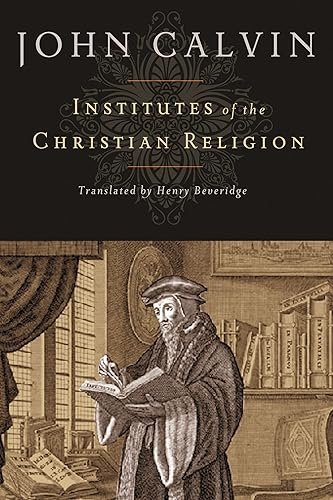
Calvinism is named after John Calvin (1509-1564), the French Reformer who spent most of his career in Geneva. His magisterial work, Institutes of the Christian Religion, remains one of the most important theological texts ever written. But "Calvinism" as a system was really codified after Calvin's death at the Synod of Dort (1618-1619) in response to the Arminian Remonstrance.
The five points are often summarized by the acronym TULIP:
Total Depravity does not mean humans are as evil as they could possibly be. It means that sin affects every part of our nature — mind, will, emotions, body — so that no one seeks God on their own. Left to ourselves, we would never choose Him.
Unconditional Election teaches that God chose who would be saved before the foundation of the world, not based on anything He foresaw in them (including foreseen faith), but purely out of His own sovereign good pleasure.
Limited Atonement (or Definite Atonement) holds that Christ's death was specifically intended to save the elect. It was sufficient for all but efficient for those God chose.
Irresistible Grace means that when God calls the elect to salvation, they come willingly. The Holy Spirit changes the heart so that the person freely and gladly responds.
Perseverance of the Saints teaches that those whom God has truly saved will persevere in faith to the end. They may stumble, but they will never finally fall away.
What Arminianism Teaches
Arminianism is named after Jacobus Arminius (1560-1609), a Dutch Reformed pastor and theologian. After his death, his followers drafted five articles of Remonstrance (1610) that pushed back against certain points of Reformed theology.
The five Remonstrant articles teach:
Conditional Election — God elects individuals to salvation based on His foreknowledge of who will believe in Christ. Election is real, but it is conditioned on foreseen faith.
Universal Atonement — Christ died for all people, not just the elect. The atonement is truly universal in intent and scope, though only effective for those who believe.
Total Depravity (yes, Arminians affirm this) — Humans are fallen and cannot save themselves. However, God extends prevenient grace to everyone, restoring enough freedom to respond to the gospel.
Resistible Grace — God's grace can be resisted. The Spirit draws all people, but individuals retain the genuine ability to say no.
Conditional Perseverance — Classical Arminians held that believers could potentially fall from grace, though many modern Arminians nuance this differently. Wesley, for instance, affirmed the possibility of apostasy but emphasized God's sustaining power.
Where They Agree (More Than You Think)
Here is what both sides affirm, and it is a longer list than most people expect:
- God is sovereign over all things
- Humans are sinful and unable to save themselves apart from grace
- Salvation is by grace through faith, not by works
- The death of Christ is central to salvation
- The Holy Spirit is necessary for conversion
- Scripture is the final authority
- God genuinely desires the salvation of sinners
- Believers should pursue holiness and good works
The overlap is enormous. On the core gospel message — that sinners are saved by grace, through faith, because of what Christ did on the cross — there is no daylight between the two positions. The disagreements are real, but they are about the mechanics of how God accomplishes salvation, not whether He does.
Where They Actually Disagree
The real differences cluster around three questions:
1. The Order of Salvation. Does God's choice come first (Calvinism) or does human faith come first in God's logical ordering (Arminianism)? Calvinists say regeneration precedes faith. Arminians say faith precedes regeneration.
2. The Nature of Divine Sovereignty and Human Freedom. Calvinists tend toward compatibilism: God's sovereignty and human choices are compatible because God ordains the means (our choices) along with the ends. Arminians lean toward libertarian free will: for choices to be genuine, they must not be determined by God.
3. The Scope of the Atonement. Did Christ die with the specific intention of saving the elect (Calvinism) or did He die for every human being without exception (Arminianism)? Both agree His death is sufficient for all. They disagree about the divine intent behind it.
Books Worth Reading From Each Side
For the Calvinist perspective, start with Calvin himself. Our summary of the Institutes of the Christian Religion will give you the big picture. John Piper's Desiring God is an accessible modern entry point.
For the Arminian perspective, Roger Olson's Arminian Theology: Myths and Realities is the best modern defense. Jerry Walls and Joseph Dongell's Why I Am Not a Calvinist is fair-minded and careful.
For balanced overviews, try Debating Calvinism by Dave Hunt and James White, or Four Views on Eternal Security from the Zondervan Counterpoints series.
A Fair Conclusion
The Calvinism-Arminianism debate is not going away. It has lasted five centuries because both sides can point to real biblical texts that support their reading. Romans 9 is genuinely difficult for Arminians. 1 Timothy 2:4 is genuinely difficult for Calvinists. Honest interpreters on both sides know this.
The best posture is one of conviction paired with humility. Read both traditions. Engage the strongest arguments from each side, not the caricatures. Hold your convictions firmly — but hold them with open hands and a teachable spirit.
The church is bigger than this debate. And the God who stands behind it all is bigger than either system can fully capture.