Back to Library

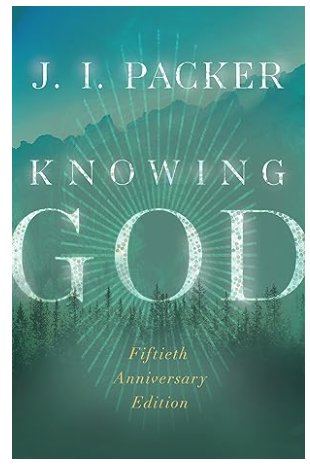
Knowing God

J.I. Packer

Theology

Knowing God

J.I. Packer

Published 1973

Read Time: 8 minListen Time: 20 min
4:3215:00

Summary

The Difference Between Knowing About and Knowing

J.I. Packer opens Knowing God with a distinction that changes everything: there is a vast difference between knowing about God and actually knowing God. You can study theology for decades, ace every seminary exam, debate doctrine with precision — and still not know God in the way a child knows a loving father. Packer wrote this book to close that gap.

Published in 1973, Knowing God has become one of the most respected works of popular theology in the English language. Packer was an Oxford-educated Anglican theologian, but he wrote this book not for academics but for ordinary Christians who wanted their study of God to catch fire in their hearts.

The God Who Is There

The first section of the book walks through the attributes of God — not as a dry list of theological terms, but as a guided encounter with a living Person. Packer explores God's majesty, wisdom, truth, love, grace, and judgment, and he does so in a way that consistently points back to relationship.

When Packer writes about God's unchangeability, he is not just making a philosophical point. He is saying: the God who loved you yesterday loves you today and will love you tomorrow. His character does not shift with circumstances. When he writes about God's wrath, he frames it not as divine cruelty but as the necessary response of a holy God who takes evil seriously precisely because He loves so deeply.

The Heart of the Book: Adoption

If there is a single chapter that captures the heart of Knowing God, it is the chapter on adoption. Packer argues that adoption — being received into God's family as sons and daughters — is the highest privilege of the gospel. Higher even than justification. Justification is a legal act: God declares you righteous. Adoption is a relational act: God welcomes you home.

Packer asks readers to stop and feel the weight of what it means that the Creator of the universe has chosen to call you His child. Not servant. Not subject. Child. This changes everything about how you pray (you come to a Father, not a courtroom), how you face suffering (your Father is sovereign over your pain), and how you view your identity (you are defined not by your failures but by your family).

Knowing and Being Known

One of the book's most powerful moves comes when Packer flips the script. We spend so much energy trying to know God that we forget the more fundamental truth: God knows us. He knew us before we were born. He knows our thoughts before we think them. He knows our worst moments and our deepest shames — and He chose us anyway.

This is not a theological abstraction. Packer makes it deeply personal. The God who knows every star by name also knows you by name. And His knowledge of you is not the cold knowledge of a file in a database — it is the intimate knowledge of a Father who delights in His children.

Why Theology Must Become Doxology

Packer is insistent that the study of God's attributes should always lead to worship. If your theology makes you proud, it has failed. If your knowledge of God does not produce humility, wonder, gratitude, and love, something has gone wrong. The goal of knowing God is not to win arguments — it is to fall on your face in awe.

This is what makes Knowing God different from a systematic theology textbook. Every chapter ends not with a quiz but with an invitation. Packer wants you to close the book not feeling smarter but feeling closer to the God who knows you and loves you beyond what you can imagine.

A Book That Lasts

Knowing God has remained in print for over fifty years because it fills a unique space. It is theologically rigorous without being academic. It is deeply personal without being sentimental. It takes the attributes of God and shows you why they matter for your Monday morning, your marriage, your grief, and your joy. It is theology with a heartbeat.

Key Insights

1

Knowing About God Is Not Knowing God — You can ace a theology exam and still not know God personally. Packer argues that intellectual knowledge of doctrine must lead to relational encounter with the living God, or it has missed the point entirely.

2

Adoption Is the Highest Privilege of the Gospel — Packer makes a stunning claim: adoption into God's family is an even greater blessing than justification. Being declared righteous is wonderful; being welcomed home as a child is extraordinary. This reframes prayer, identity, and suffering.

3

God's Knowledge of You Is More Fundamental Than Yours of Him — We focus on our efforts to know God, but Packer flips the script. The deeper reality is that God has known you completely from before you were born — every failure, every fear — and He chose you anyway.

4

God's Jealousy Is Beautiful — Packer reclaims divine jealousy as a positive attribute. God's jealousy is not petty insecurity; it is the fierce protectiveness of a covenant partner who refuses to share you with idols that will destroy you.

5

Theology Must Become Worship — If studying God's attributes makes you proud rather than humble, something has gone wrong. The proper response to knowing God is not intellectual superiority but face-down, awe-struck worship.

Best Quotes

What matters supremely is not the fact that I know God, but the larger fact which underlies it — the fact that he knows me.

J.I. Packer

Disregard the study of God, and you sentence yourself to stumble and blunder through life blindfolded, as it were, with no sense of direction and no understanding of what surrounds you.

J.I. Packer

We can be sure that the God who made this wonderful world is none other than the God of our Lord Jesus Christ.

J.I. Packer

Discussion Questions

  1. 1

    Packer distinguishes between knowing about God and knowing God. Where would you honestly place yourself on that spectrum right now? What would help you move deeper?

  2. 2

    How does the doctrine of adoption change the way you approach prayer? What shifts when you come to a Father rather than a Judge?

  3. 3

    Packer says God's jealousy is beautiful. That might feel strange at first. How do you respond to the idea that God is fiercely protective of His relationship with you?

  4. 4

    Which attribute of God have you most neglected in your understanding? Is there an aspect of His character you have been avoiding?

  5. 5

    Packer insists that theology should produce worship, not pride. Have you ever seen theological knowledge puff someone up rather than draw them closer to God? How do we guard against that?

Sermon Starters

Known by God — Preach on the astonishing reality that before you ever sought God, He knew you completely. Use Psalm 139:1-4 ('You have searched me, Lord, and you know me') and Galatians 4:9 ('Now that you know God — or rather are known by God'). The emphasis shifts from our performance to His pursuit.


Adopted, Not Just Forgiven — Explore the doctrine of adoption as the climax of salvation. Justification gets you out of the courtroom; adoption brings you into the family room. Connect to Romans 8:15-17 ('The Spirit you received brought about your adoption... by him we cry, Abba, Father') and 1 John 3:1 ('See what great love the Father has lavished on us, that we should be called children of God!').


The God Worth Knowing — Use Packer's approach to walk through one or two attributes of God (perhaps His faithfulness and His love) and show how they are not abstract concepts but living realities that sustain you in crisis. Tie to Lamentations 3:22-23 and Psalm 36:5-7.

Read This If...

You want to move from knowing facts about God to a deep, personal experience of His character that transforms how you live.

Unlock All Summaries

Get unlimited access to 200+ book summaries, audio, and ministry tools.

Start Free Trial